Inclusive Navigation in Transitional Spaces
Addressing the accessibility gap created by renovation works through an alternative tactile navigation system for the visually impaired.
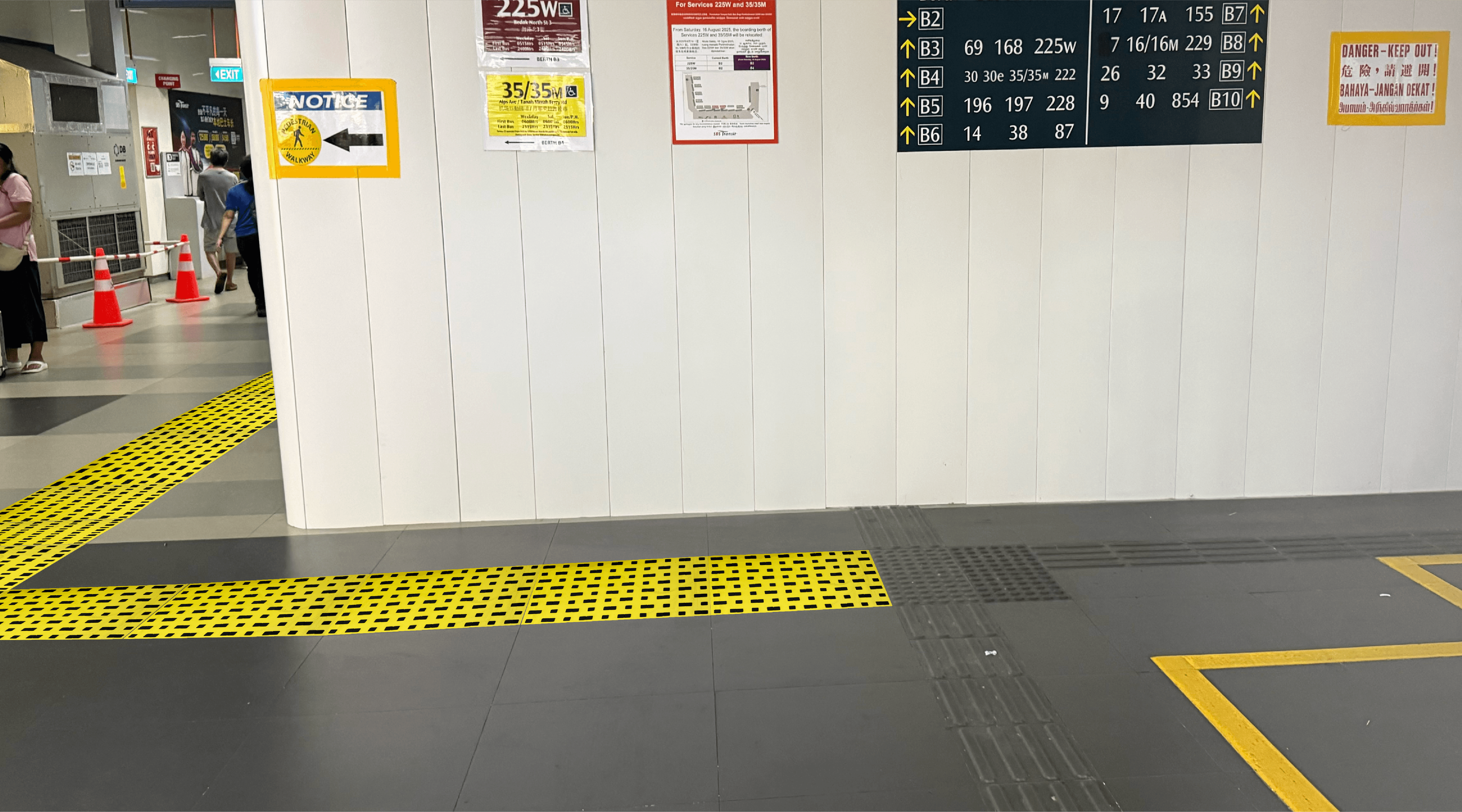
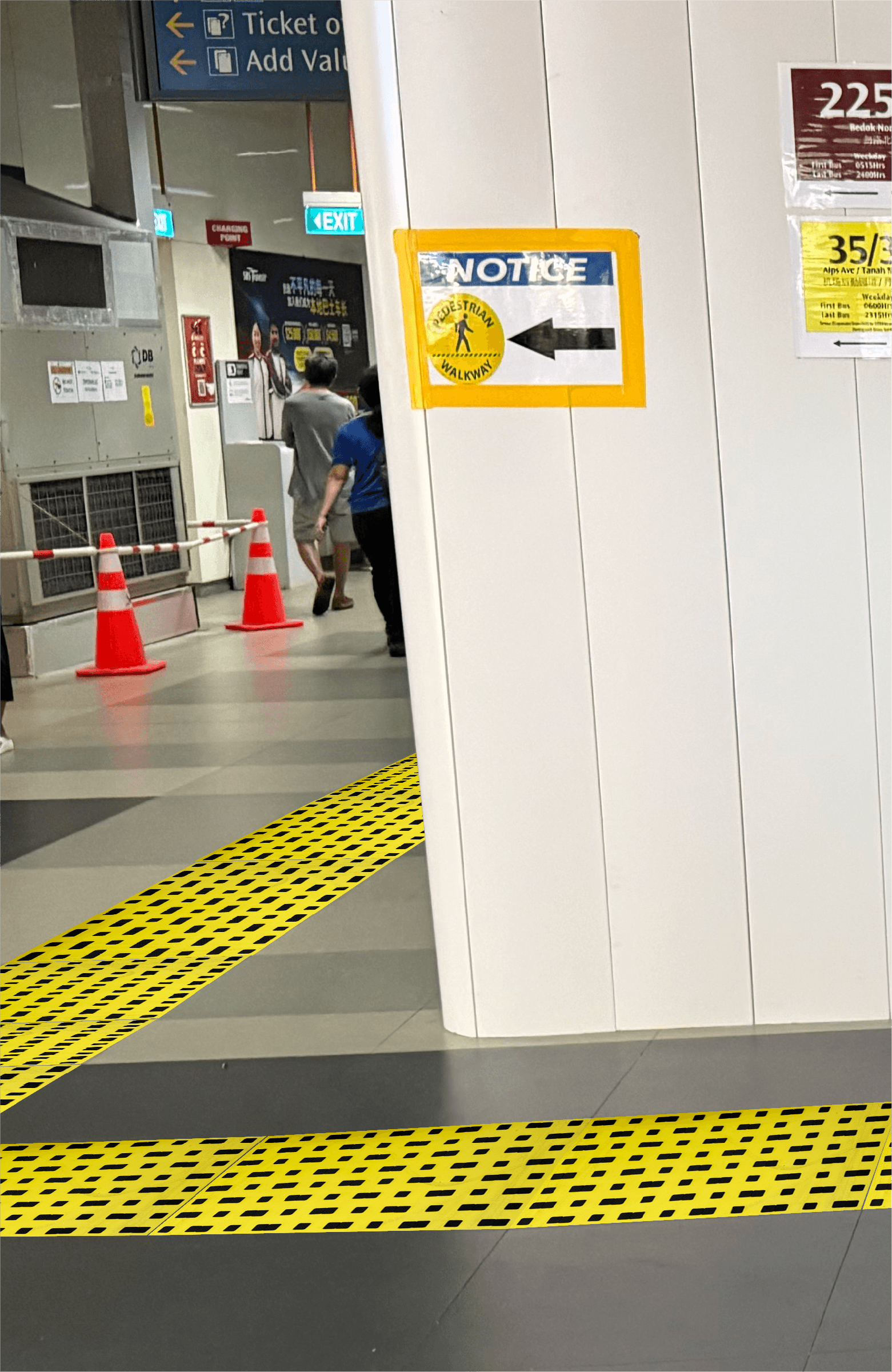
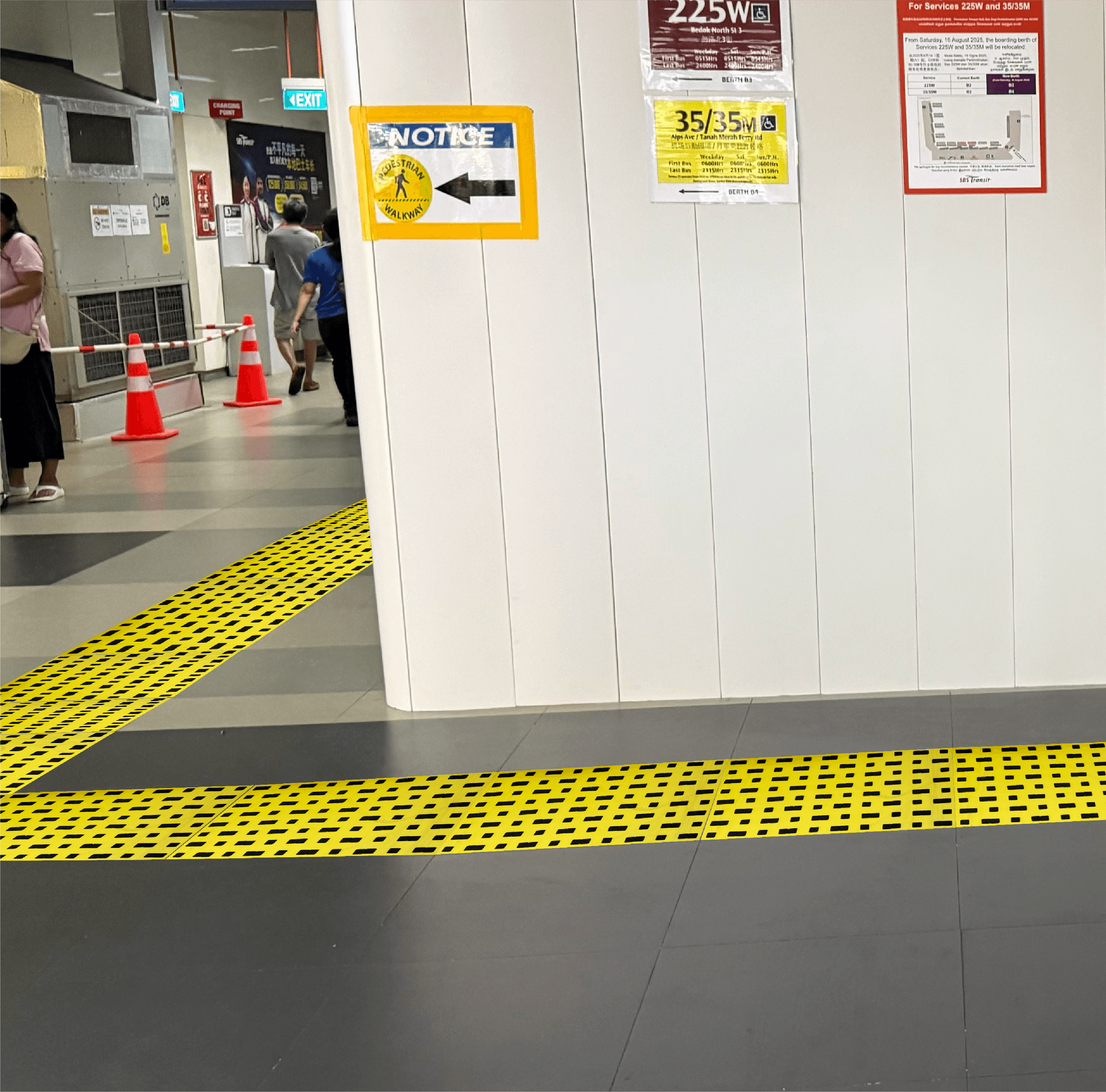
Project details
In Singapore, constant upgrading works place many public spaces in temporary states of disruption. During these transitions, established tactile wayfinding systems are often removed, blocked, or replaced with solutions that prioritise visual communication.
For visually impaired individuals, this creates a critical accessibility gap — where independence, safety, and spatial confidence are compromised.
This project reimagines temporary tactile markers as an integral part of construction planning. By designing for transitional environments, the proposal seeks to preserve navigational continuity, clarity, and dignity — even when spaces are in flux.
How might we help visually impaired to be informed of changes made to existing infrastructure ?
The project started off with an interview with an advocate assigned for this project to understand their lives and daily routine. From the interview, one of the key insights that was mentioned was that there is a lack of tactile markers in public areas.
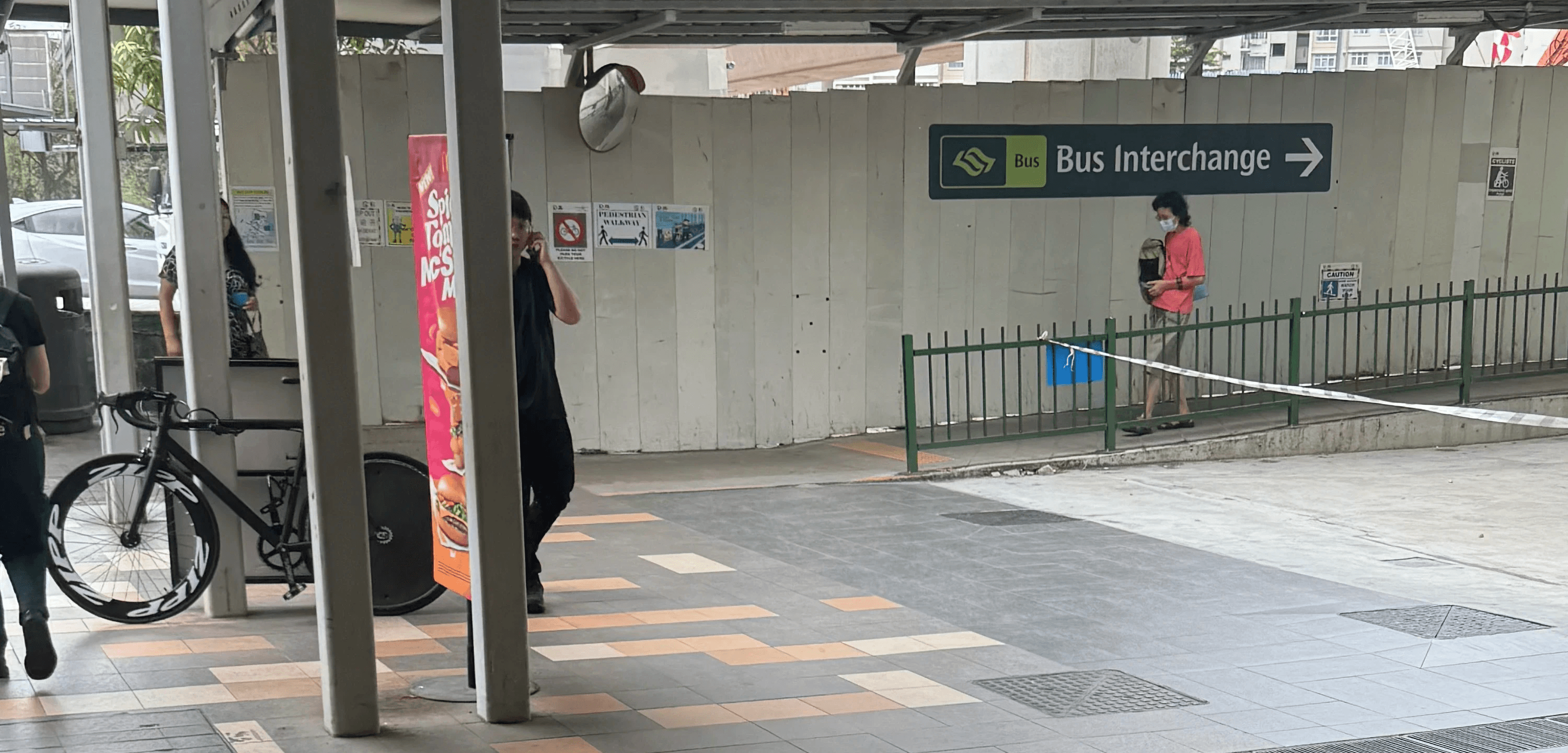
"One example was (recently) I followed the tactile markers from Pasir Ris MRT Station to the Bus Interchange. The tactile markers led me to (defunct) site with the construction hoardings installed. I didn't know and wasn't informed of any changes made to this place."
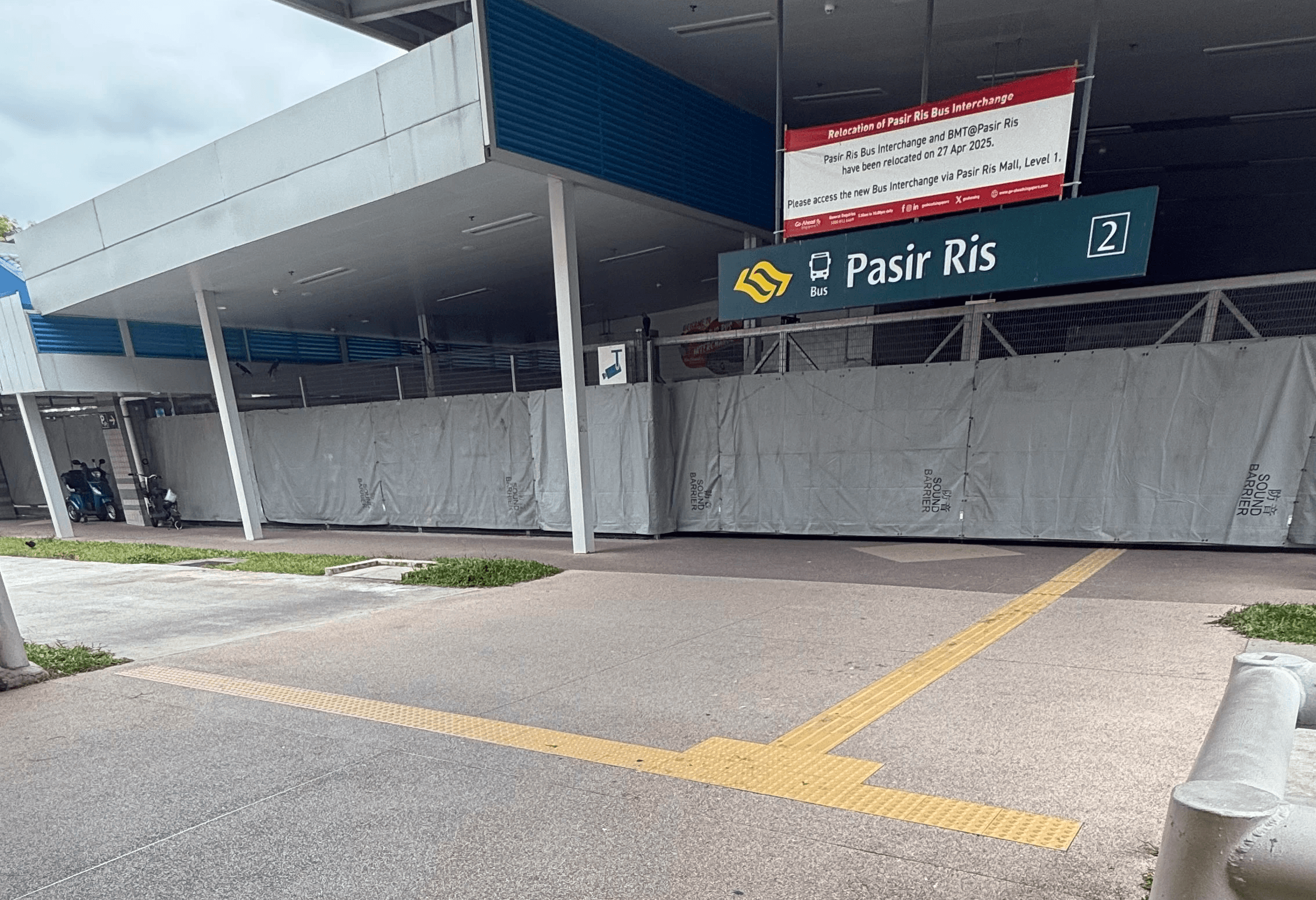
Luckily for me, this was a very recent scenario. To better understand the problem, I went down to the actual site. The redeveloped site was located very nearby, but existing tactile markers does not convey such information. Also, when I went down, the route to the redeveloped site was not fully operational and alternative route was provided on the other end of the place, but this information is also only conveyed using temporary visual signages.
As I go about my daily activities, I do pass-by sites undergoing construction or improvement works too. One thing in common was the lack of non-visual navigation support. These alternative pathway examples are for places such as a mosque, bus interchange and parks. While the visual signage and barricade were clearly implemented, alternative non-visual navigation support was inconsistent or absent.

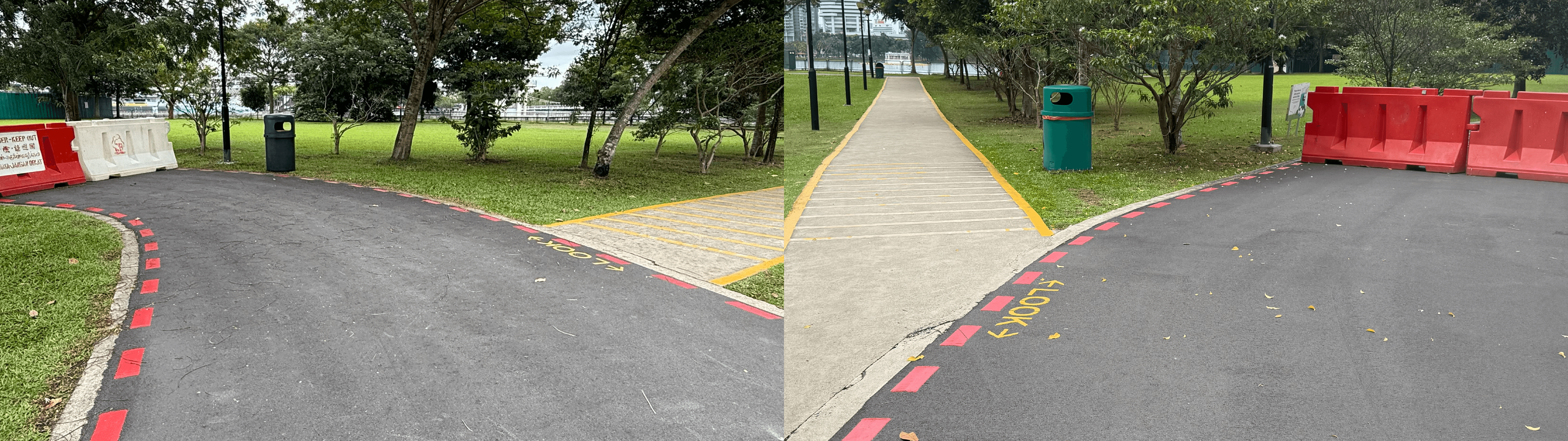
This prompted a thought: what if we could build another tactile language that allows visually impaired to identify closures and temporary routes ?

I looked into the existing tactile markers and realised that there are only 2 types in usage, The circular studs represent warning tactile, while the long rectangular represent directional tactile.
Design Exploration
For this new temporary tactile marker to convey message successfully, a distinct difference has to be made from the existing tactile markers. The aim was:
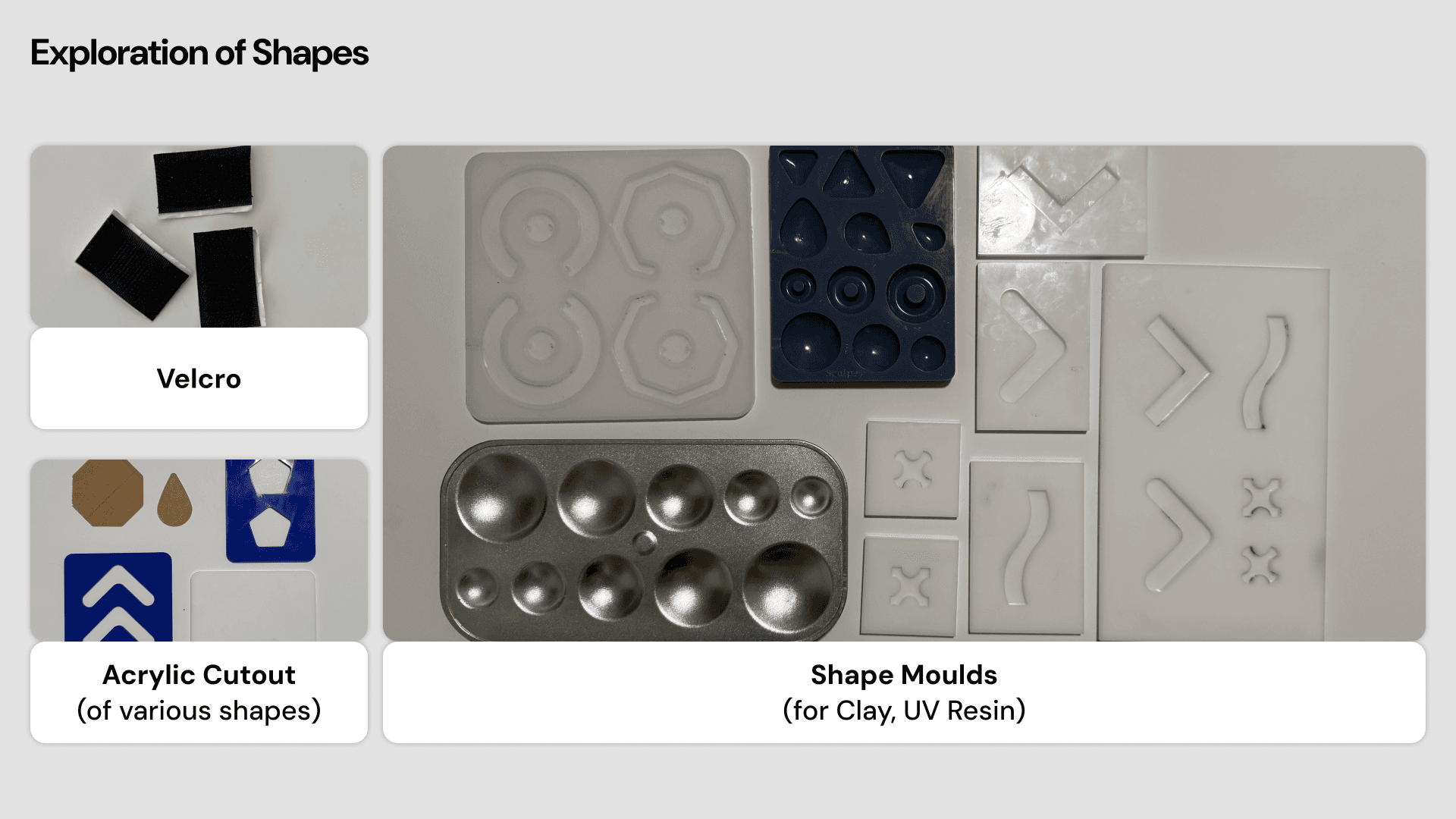
A new pattern formation layout that would trigger a new sensation when the white cane (walking stick) comes into contact with it
Different material also allows for quick prototyping. Another angle to look at was that this tactile marker is meant as a temporary solution that will be removed, perhaps a quick, simple and cheap material that could potentially be more feasible
The material choice, shape and pattern should allow users on wheelchair to roll over smoothly.
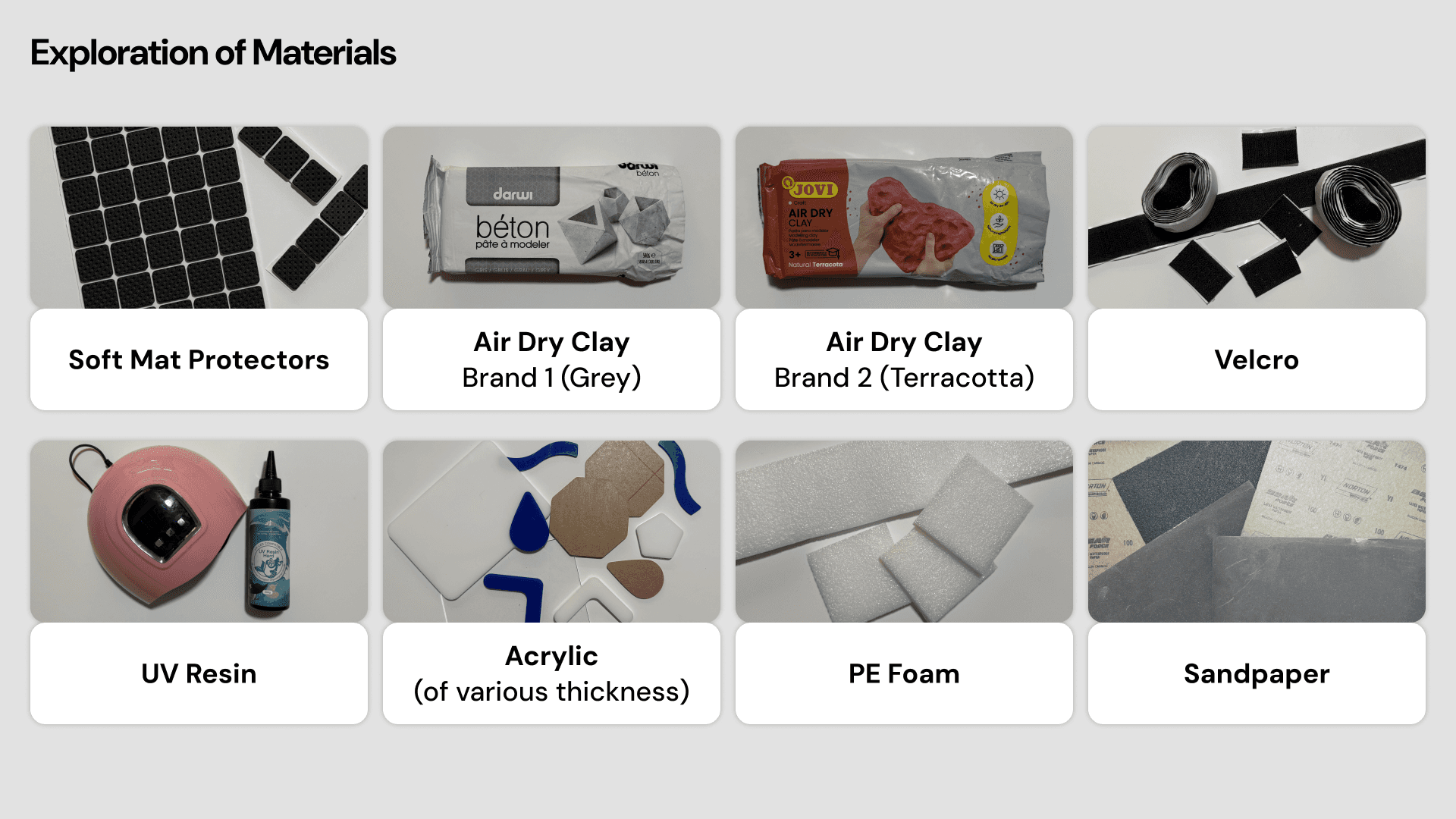
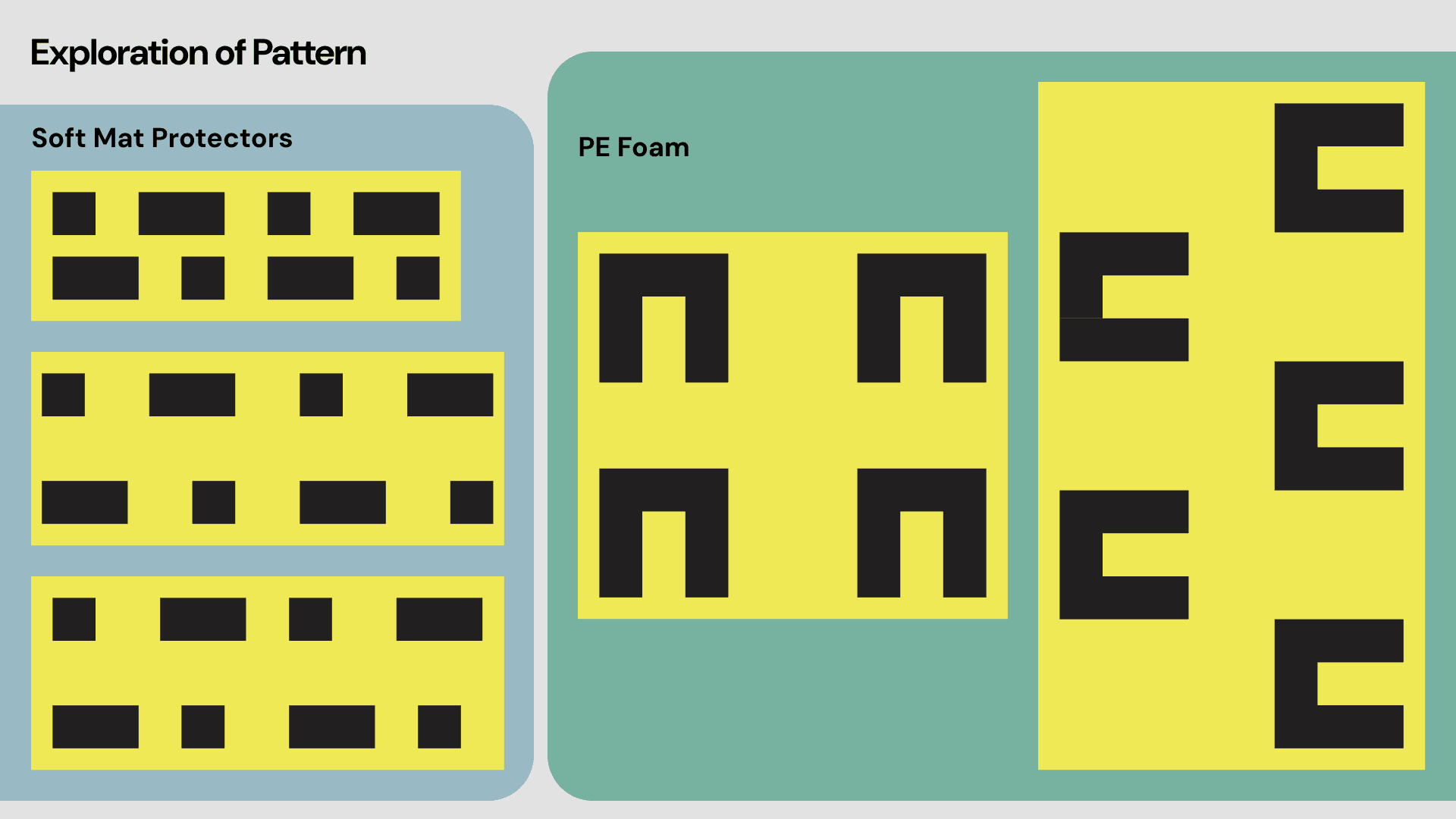
Prototype Testing:
